|
Sight fishing for trout |
|
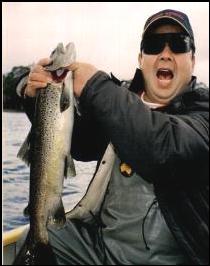
Still water fishing in Tasmania is unique because of the many chances to target fish that you can see cruising and feeding. Most clients say that this form of trout angling is the most interesting and rewarding. Tactics for sight fishing depend upon where and how the fish are feeding. Your guides are expert at finding visibly feeding fish, as well as advising you about appropriate flies and strategies. |
|
TAILING TROUT Trout “tailing” in shallow water show their backs or tails as they feed. At other times, they are betrayed by ripples and swirls. Tailers predate invertebrates such as nymphs and can be duped by a twitched wet fly but it is usual to put an inert fly in their path. Your guide will show you how to hang a wet fly under a dry fly in front of your quarry. Lake Big Jim is unrivalled for large, wild tailing brown trout.
|

|
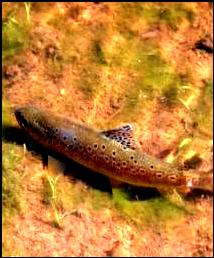
POLAROIDING Using polarized sunglasses to spot trout is vital on sunny days. Best places to look are shallow waters and bottoms that contrast with fish or their shadows but you can polaroid in deep water, where fish will show clearly if they are near the surface. Your guide will position you so that fish are visible. Dry flies are easier to see with this kind of fishing, though your guide also may rig tandem flies for you as used when stalking tailing trout. |

|
Phone : 0362891294 Mobile : 0428611270 Email : greg.beecroft@ozemail.com.au |
|
Mail : C/- Post Office, Bronte Park, Tasmania, 7140 |
|
Greg Beecroft specialises in FLY FISHING FOR TAILING TROUT |

|
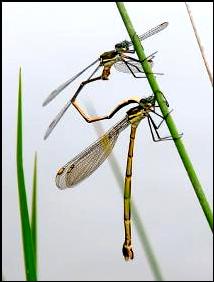
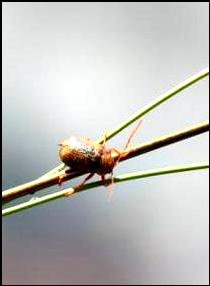
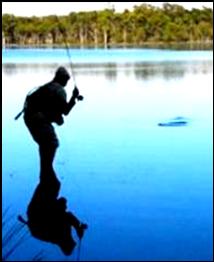
SURFACE FEEDERS During warmer months, trout often feed on swarms of flying insects. On waters such as Lake Samuel, huge mayfly hatches create superb chances to cast to visibly feeding fish. At others, fish surge above water as they gorge on midges, caenids or beetles. Wind lanes offer more chances. Here, surface feeding trout can be undone with a small wet fly. Whatever the weather, your guide will find the feeders and suggest how to catch them
|